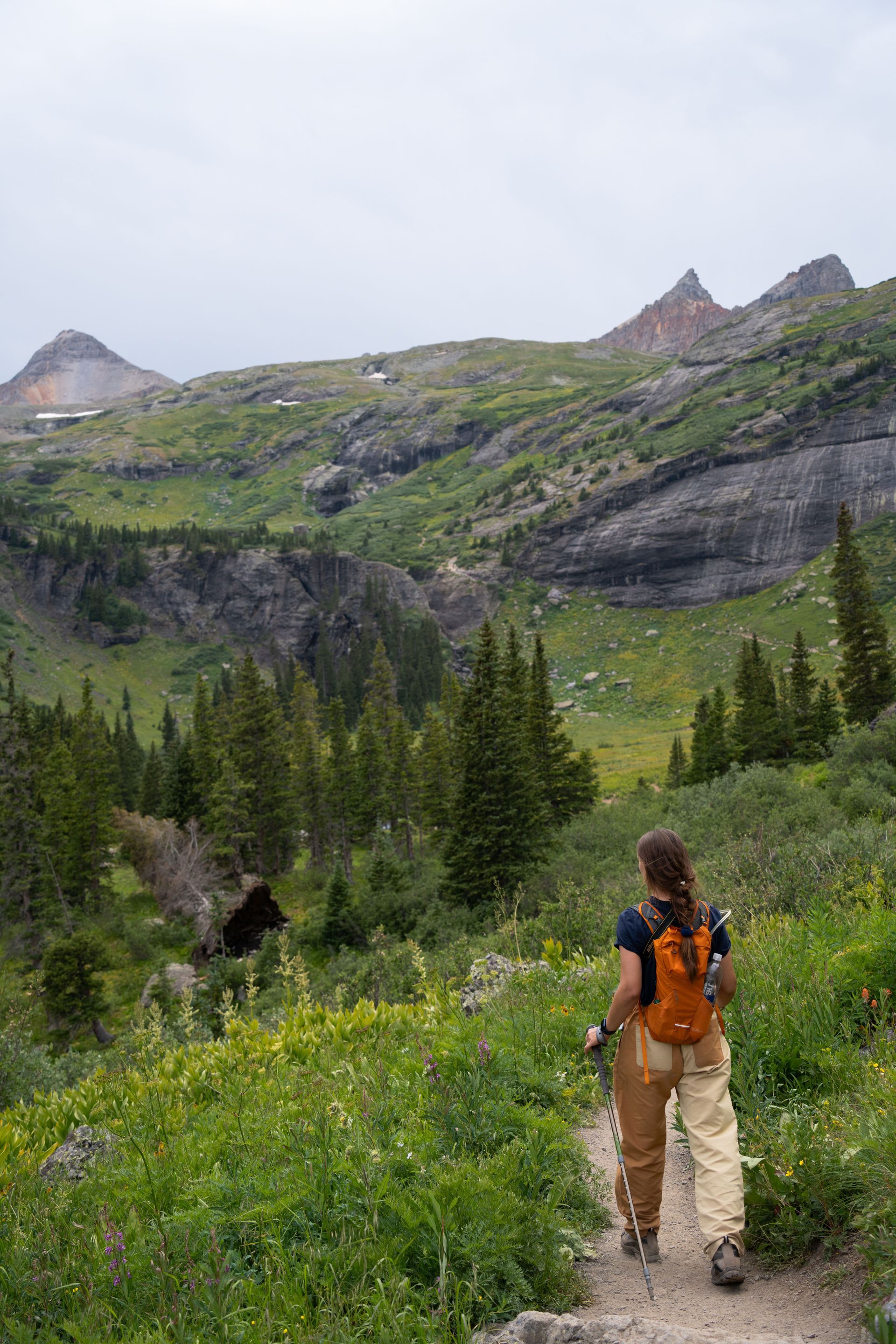
CWPL is a small, but effective nonprofit organization focused on federal land exchanges, complex processes designed to work for the public, but in practice are often seized by powerful interests for their benefit. With intimate knowledge of the land exchange processes, we intervene on behalf of the public and mobilize people to engage in the process to protect public lands.
How We Got Started.
In 2009, members of Pitkin County Open Space and Trails Board were tasked with evaluating a proposed land exchange in Pitkin County that was initiated by private individuals. The proposal was a land exchange between the private parties (proponent) and the Bureau of Land Management (BLM).
Step one was to find out “What was a land exchange (LEX) all about?” While researching land exchange proposals, another proposal was identified in Gunnison County. It was identical to the first, and the two were being brokered by the same consulting firm.
With our new knowledge, we connected with local communities, reached out, and raised awareness about the two land exchange proposals, their connections and their potential to NOT be in the public interest.
We learned that land exchanges are controversial, often dividing communities, and that the evaluation process often discounts public values. As a result of our work and communities’ engagement, these efforts quieted the Bear Ranch, Gunnison County proposal, and encouraged improvements and more public process for the Sutey Ranch, Pitkin County proposal.
Such advocacy requires a great amount of time, effort, education, and money; in 2014, we founded Colorado Wild Public Lands (CWPL) to help communities address public lands issues. CWPL helps organize local resources to evaluate, monitor, comment on, and influence, potential changes to public lands and assets.
Our Values.
These values reflect what we stand for, and what our members and stakeholders can expect from us. They are our enduring beliefs and ideals that direct our organization’s behavior and decision-making.
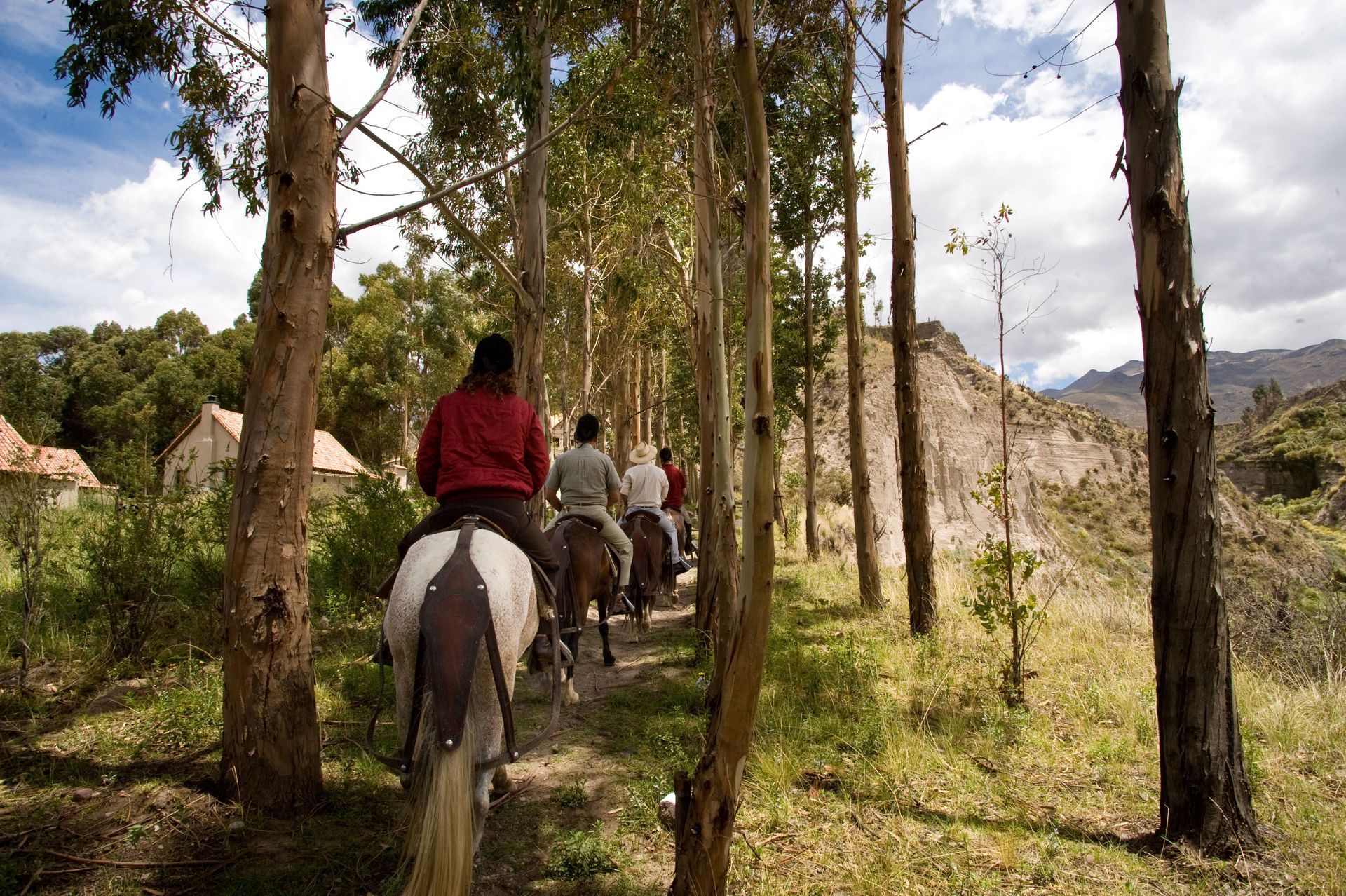
We define Public Lands as those held in trust for the citizens of the United States and for enjoyment by all. These include lands held by federal, state and local government e.g. Forest Service or County.
Our public lands are what make Colorado our cherished home; as such, they are indivisible from our daily lives.
Access We believe in freedom to access and enjoy our natural, unfettered landscapes
Wisdom Our wisdom comes from honoring the value of large, natural, holistic public landscapes.
Integrity We stand in the integrity of our word and our work.
Respect We strive to earn respect by listening to different opinions and thoroughly researching the issues.
Commitment We are committed to the hard work required to be vigilant on natural public land issues.
Our Principles.
Public Voice: Ensure the public has a meaningful opportunity to participate in decisions involving public lands and that community concerns are heard and considered.
Public Engagement: Encourage active community involvement through outreach, public education, open dialogue, and opportunities for meaningful participation.
Transparency: Advocate for open decision-making processes, accessible information, and clear communication about proposed land trades, sales, and exchanges.
Public Records:
Promote the preservation and public accessibility of records, documents, communications, and decisions related to public land transactions.
Informed Decisions: Ensure people have the information they need to understand proposals, evaluate potential impacts, and make informed decisions.
Accountability:
Provide independent watchdog oversight of land exchanges and transactions to ensure they are thoroughly evaluated and serve the public interest.
Public Access: Protect public access to public lands and evaluate the long-term impacts of decisions on recreational opportunities and other public uses.
Protection of Public Lands: Safeguard public lands from decisions that diminish their public value, unnecessarily restrict access, or prioritize private interests over the public good.
Integrity: Promote fair and responsible decision-making while challenging hidden agendas, conflicts of interest, and processes that lack transparency or accountability.
Future Generations:
Advocate for responsible stewardship that preserves public lands, public access, and the public's voice for generations to come.